
What is Osteopathy?
Intervention Framework
The intervention framework begins with “I am well,” ensuring and improving wellness wherever possible, and extends to severe structural deviations when biomechanical rules no longer apply. The osteopath collaborates with orthopedic surgeons and/or neurosurgeons, as well as physiotherapists. Each specialty’s intervention framework is specific, distinct, and complementary.
Preventive intervention starts from newborns—osteopathy has been integrated within maternity wards internationally. It continues through childhood and adolescence to support development, and also applies to adults with ergonomic issues, athletes seeking performance optimization, or anyone who has experienced pain and wants to prevent its recurrence.
Therapeutic intervention addresses musculoskeletal dysfunctions that are the root cause of symptoms such as pain, stiffness, or functional limitations. Osteopathy employs a wide range of therapeutic techniques (functional, respiratory, joint, muscle energy release, etc.), allowing the osteopath to adapt sessions to each patient’s individualized needs.
Cranial Osteopathy
Primarily applied to newborns, addressing secondary positional plagiocephaly, often accompanied by muscular torticollis.
Visceral Osteopathy
Based on the fascial connection between organs, muscles, and bones, aiming to optimize movement, nerve function, and tissue blood flow.
Structural Osteopathy
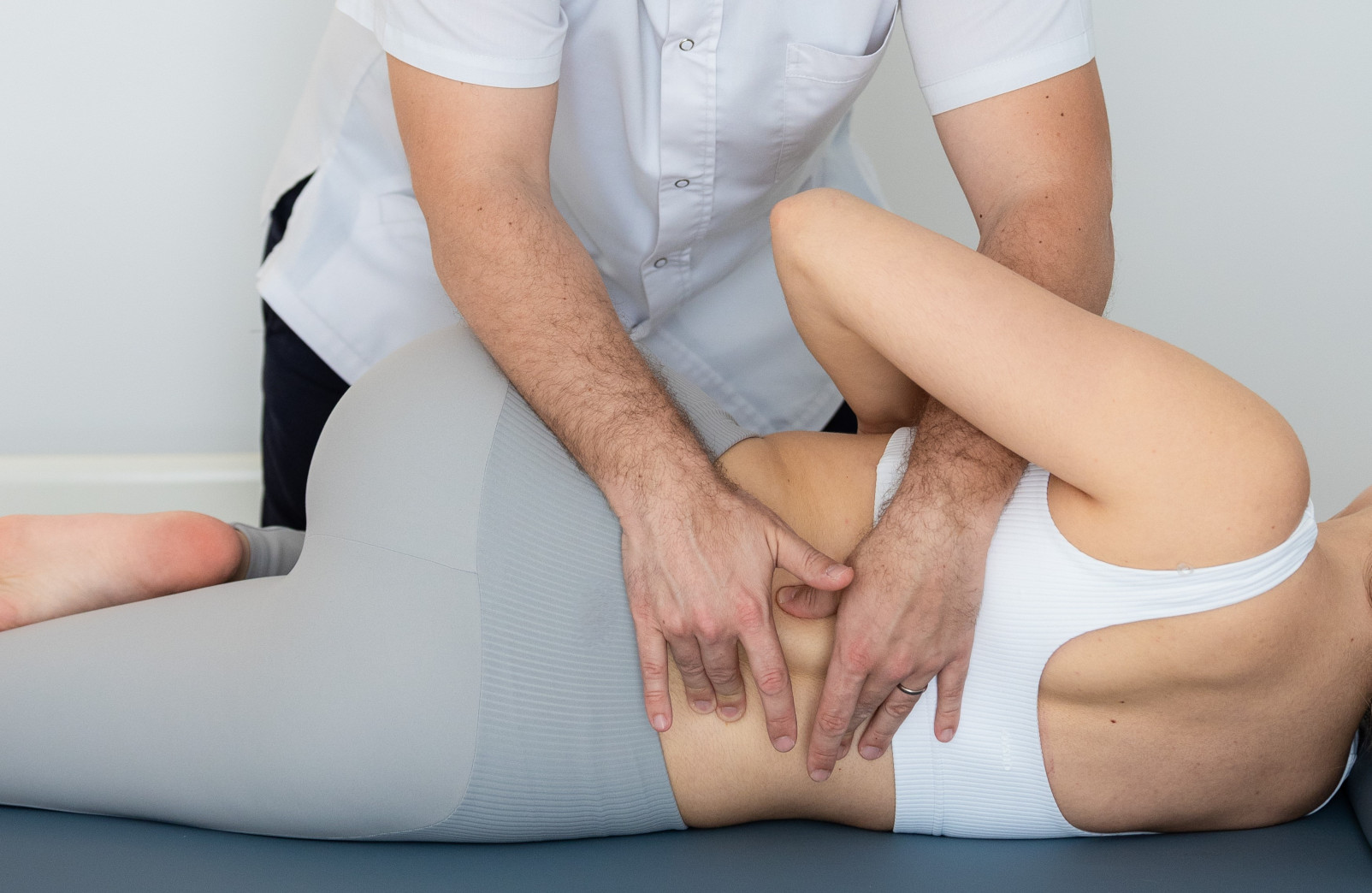
Includes direct and indirect joint manipulation techniques, aiming to optimize movement, nerve function, and blood supply in the affected or neurologically related region.
Frequently Asked Questions
What is osteopathy?
Osteopathy is a holistic approach to healthcare that focuses on diagnosing, treating, and preventing health problems through manual techniques. It emphasizes the interrelationship between the body’s structure and function, particularly the musculoskeletal system.
How does osteopathy work?
Osteopathy works by using manual techniques such as stretching, massaging, and manipulating muscles, bones, and joints. These techniques aim to improve mobility, relieve pain, enhance circulation, and support the body’s natural ability to heal itself.
What conditions can osteopathy treat?
Osteopathy can treat a wide range of conditions, including back and neck pain, joint pain, sports injuries, headaches, arthritis, and digestive issues. It can also be beneficial for chronic conditions and overall health maintenance.
Is osteopathy safe?
Yes, osteopathy is generally safe when performed by a trained and licensed osteopath. Our practitioners are skilled in assessing each patient’s condition and applying appropriate techniques to ensure safety and effectiveness.
What can I expect during an osteopathy session?
During an osteopathy session, the osteopath will take a detailed health history and perform a physical examination. Treatment may involve a variety of manual techniques, including stretching, massage, and joint manipulation, tailored to address your specific needs and conditions.